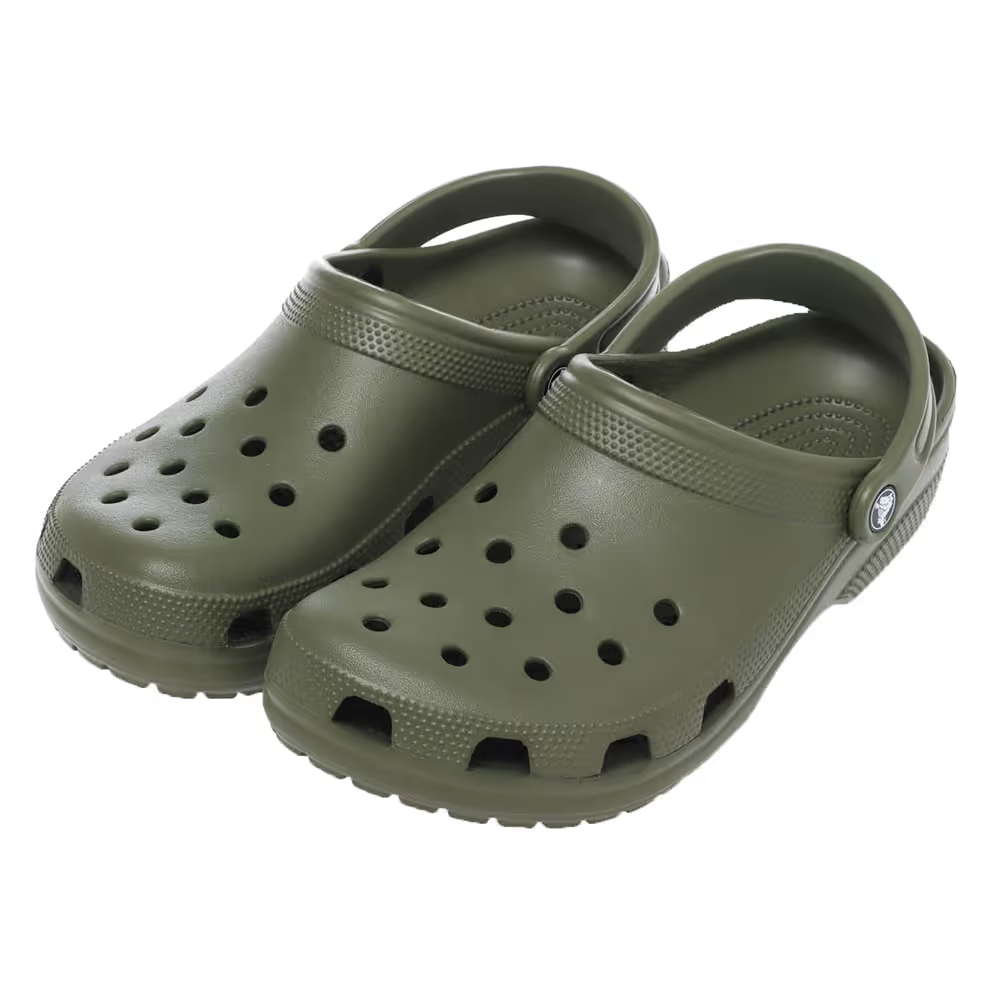
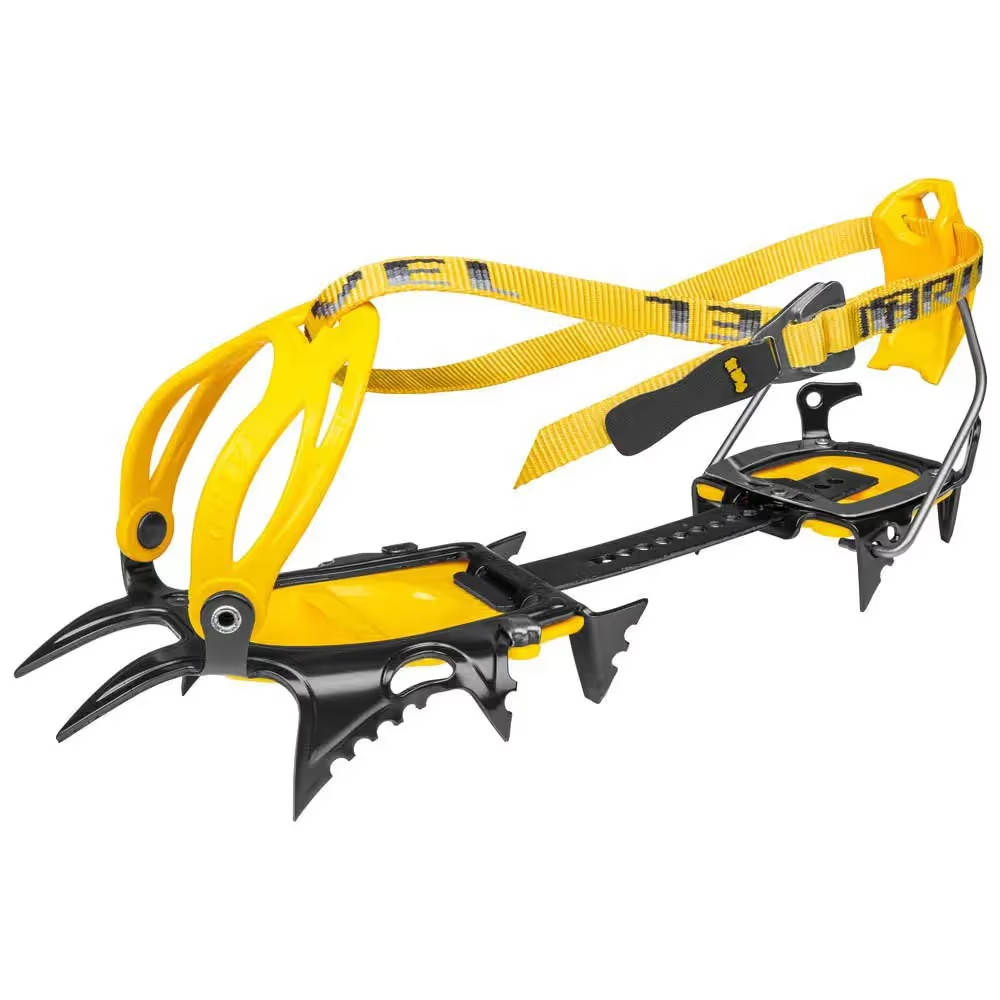
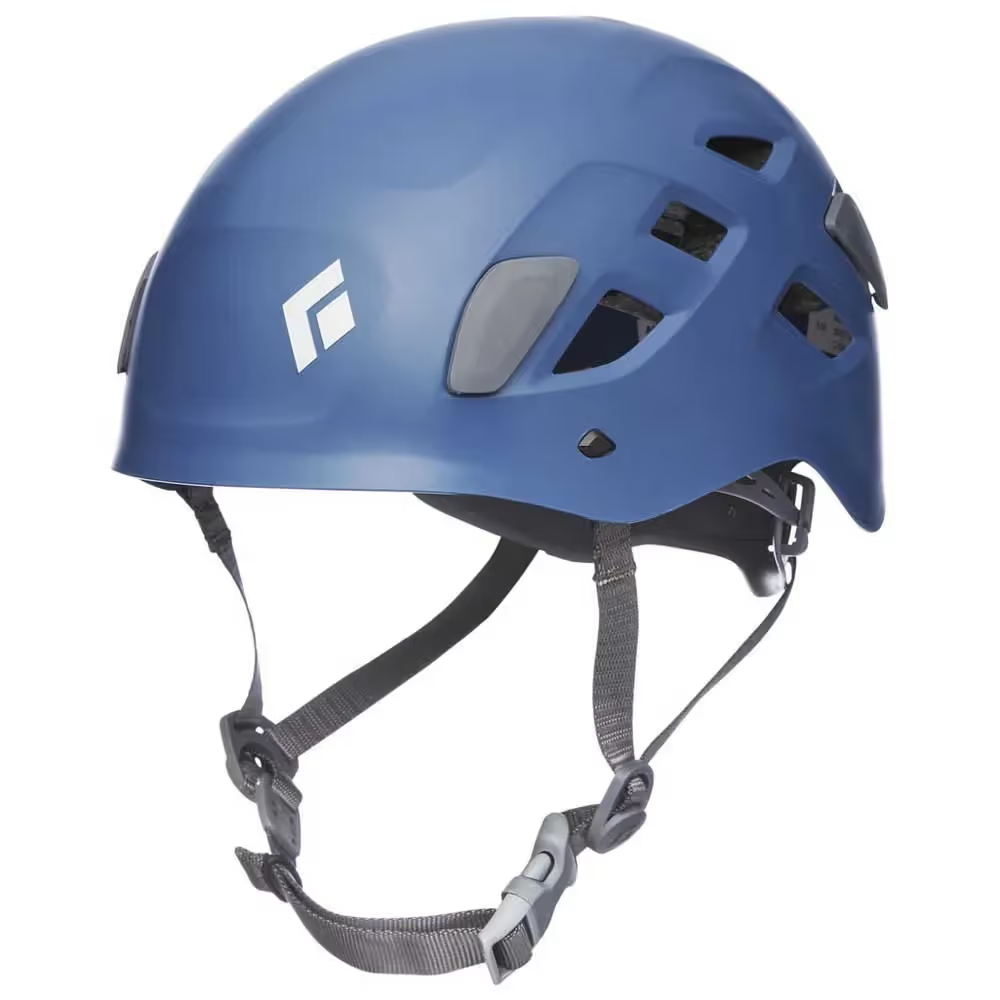
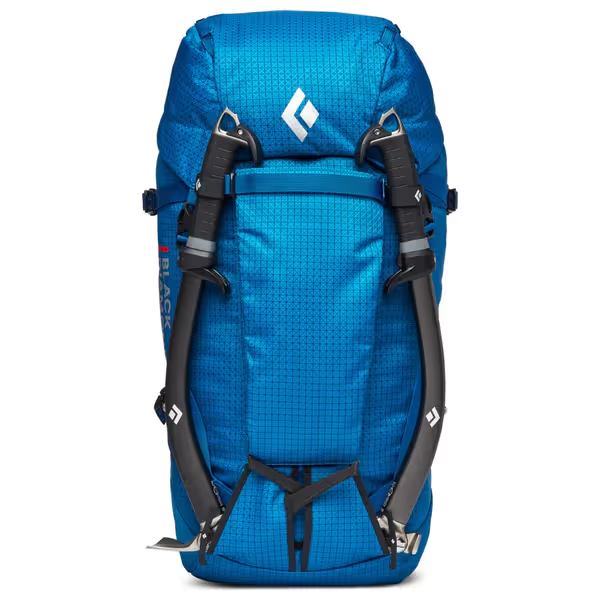
Choose category

Gear Guide

Everything You Need to Be Trip-Ready

This gear guide outlines exactly what you’ll need for a safe and comfortable trip. Pack the essentials, and you’ll be ready for whatever the mountains deliver.

[
1
]
Clothing

Temperatures are colder at night, even during summer. If your trip involves camping out, go for the warmest possible combination of clothing.

Winter Gear (July - October)

Winter Guidelines:

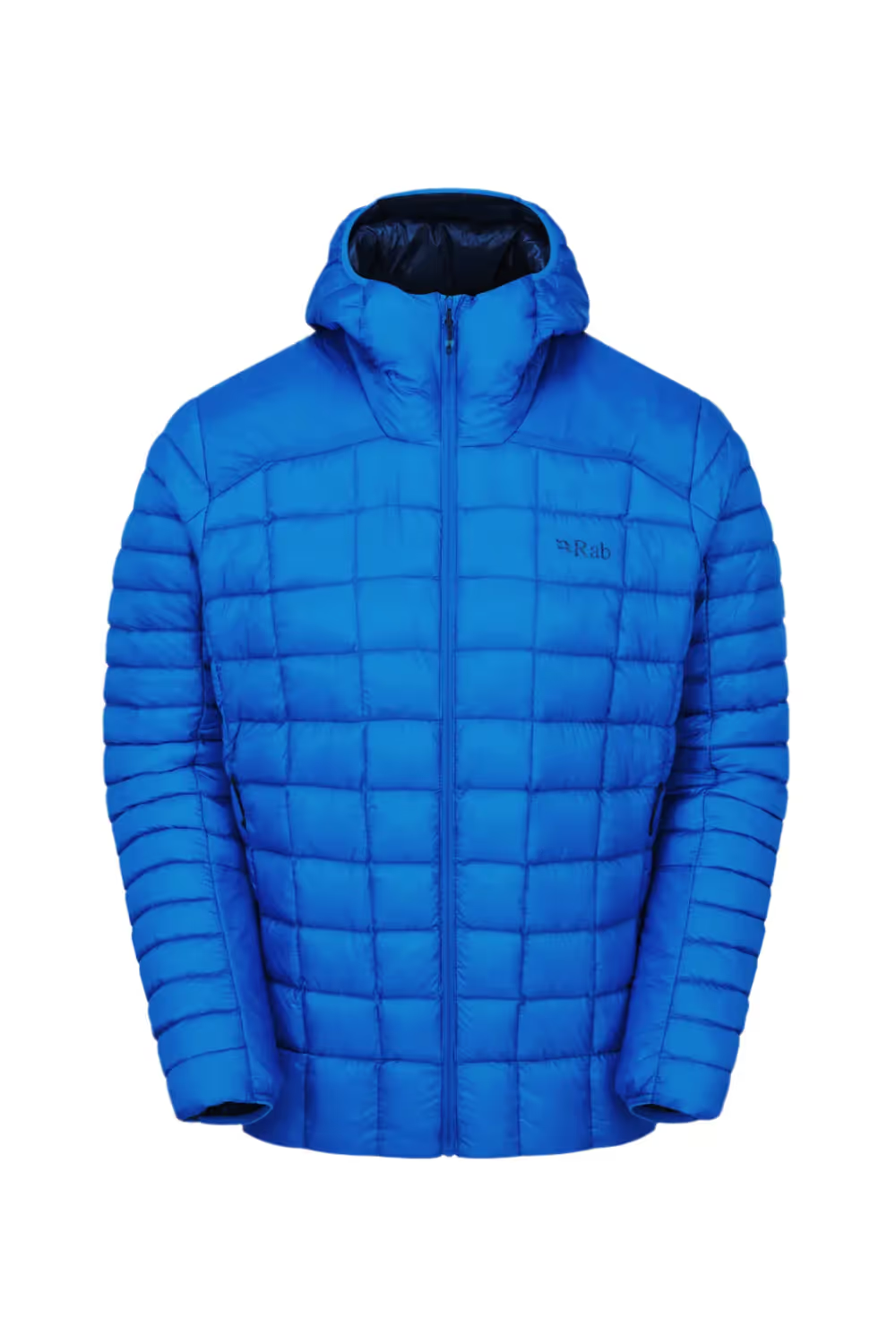
  • Warmer down (500+ loft) and synthetic jackets
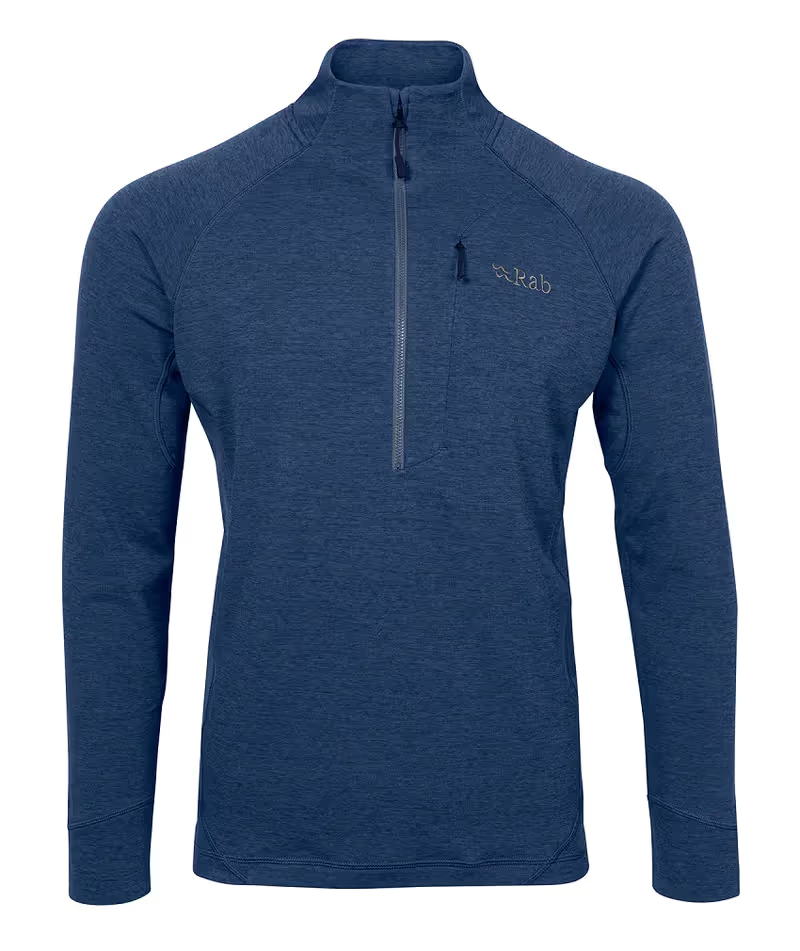
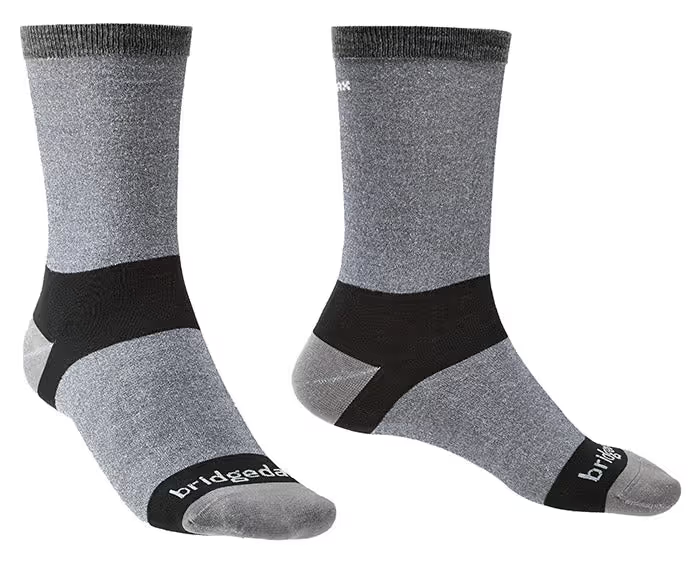
  • Medium to heavy-grade thermals and socks
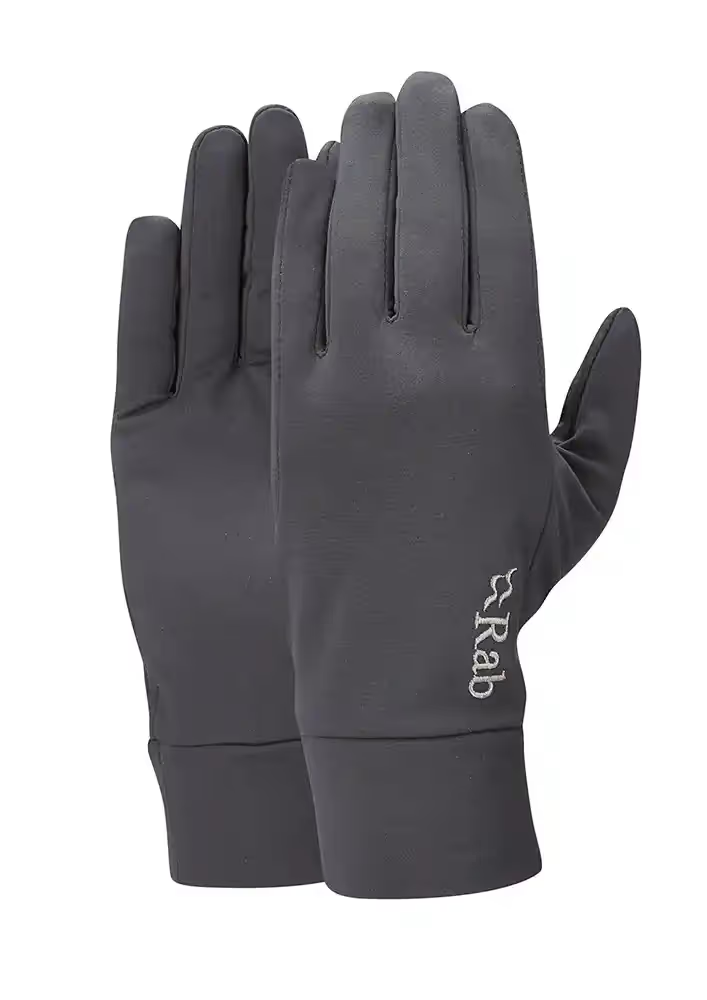
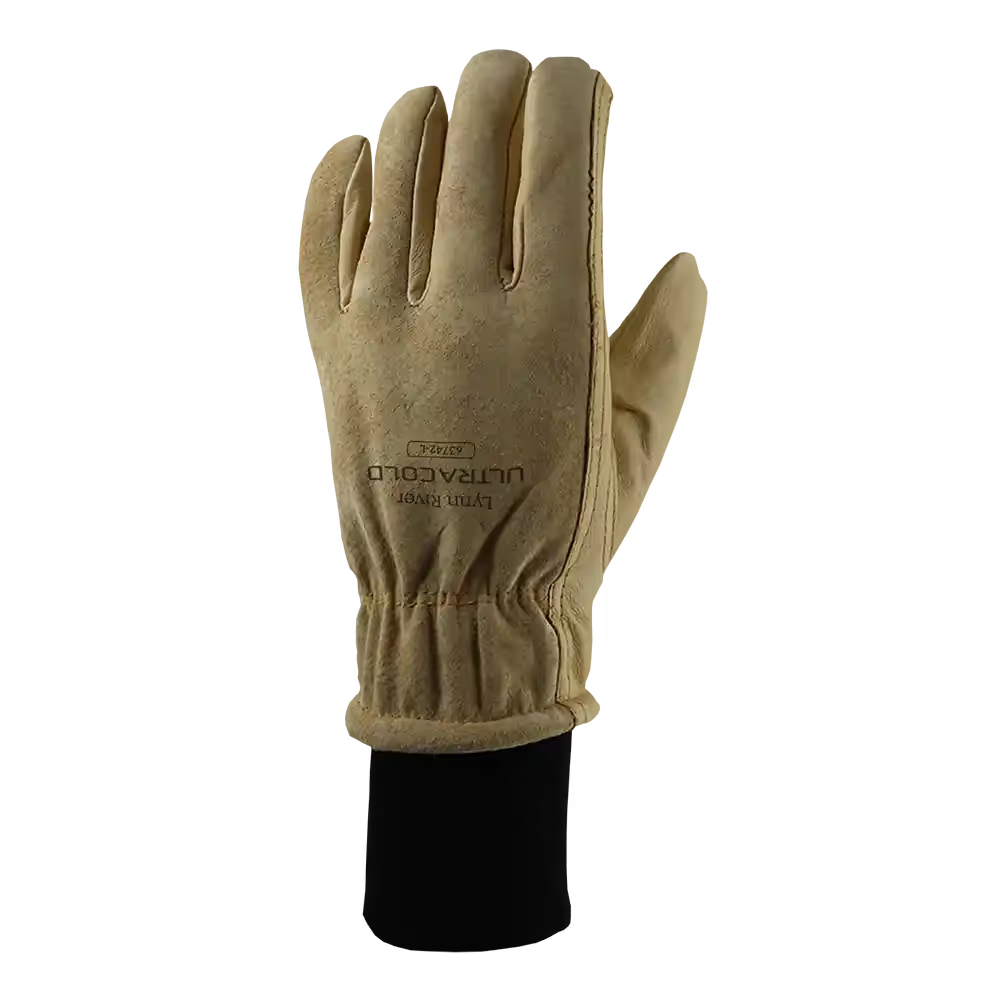
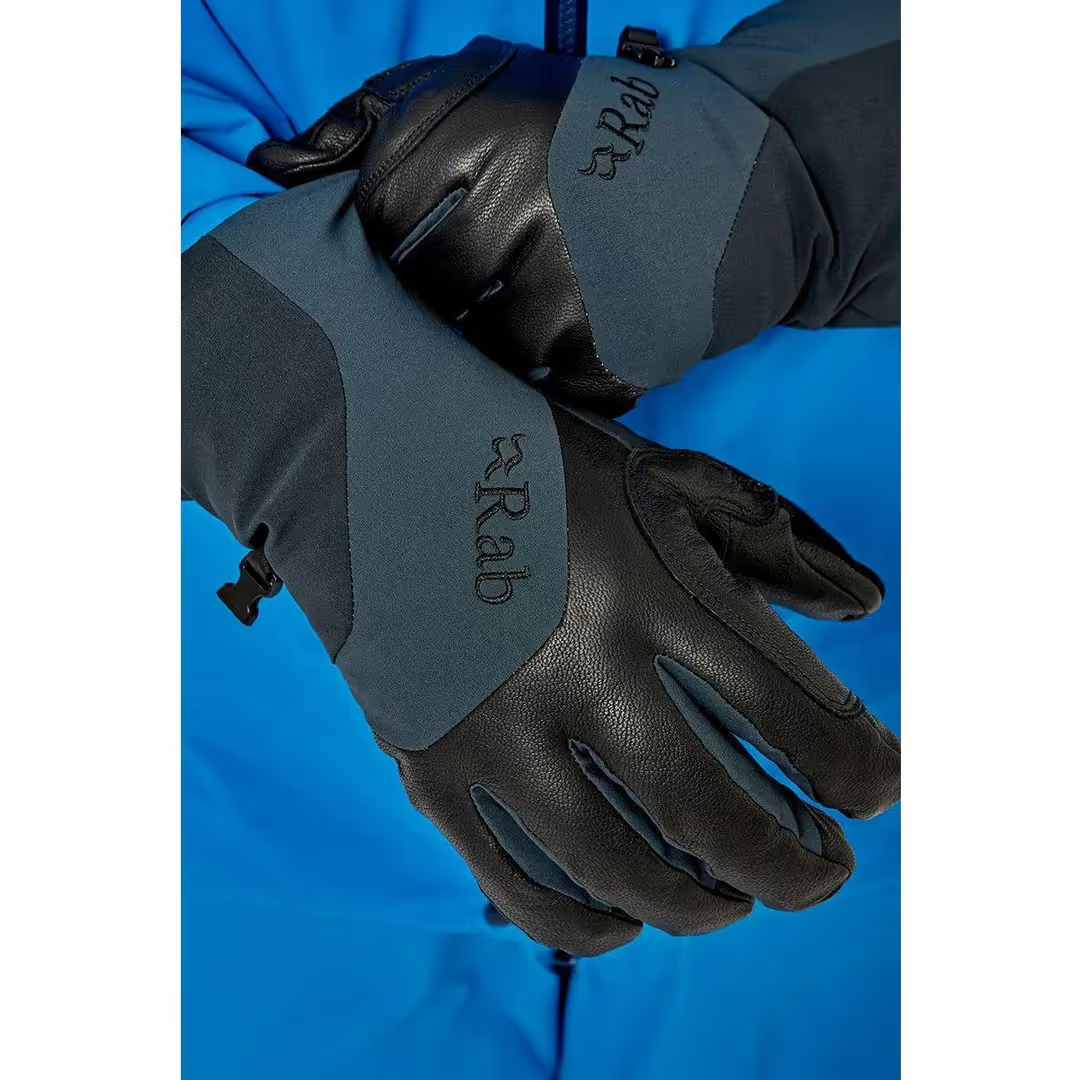
  • Warm, insulated gloves
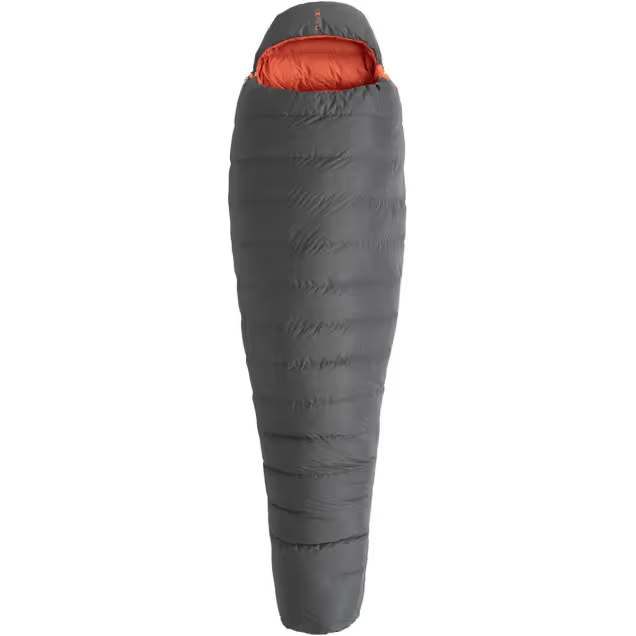
  • 4-season sleeping bags (rated to approx -12°C)

Avoid using drinking bladders and hoses during winter - they are prone to freezing even when insulated.

Summer Gear (November - April)

There is a variability of temperatures through summer. Be prepared for cold temperatures during storms and at night.

Summer Guidelines:

  • 3-season sleeping bags (rated to approx -5°C)
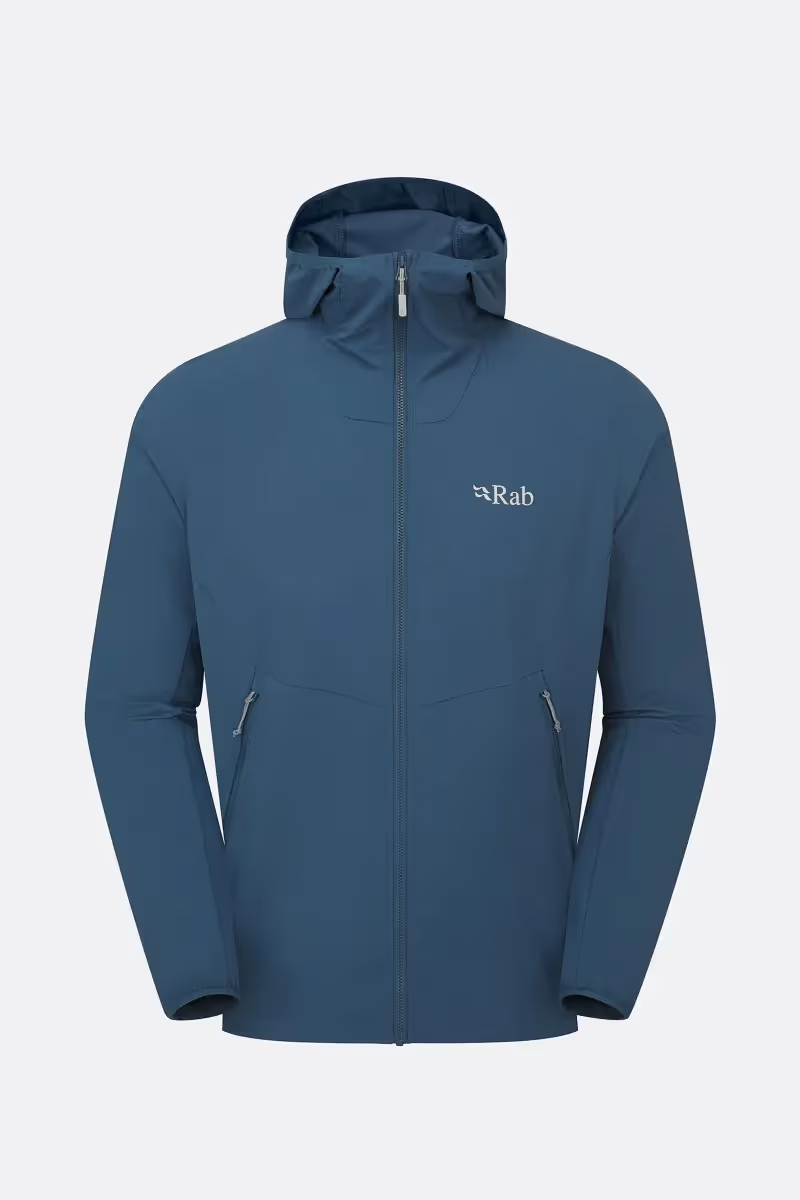
  • 400-500 loft down jackets or synthetic insulating jackets
  • Lightweight to mid-weight thermals and socks
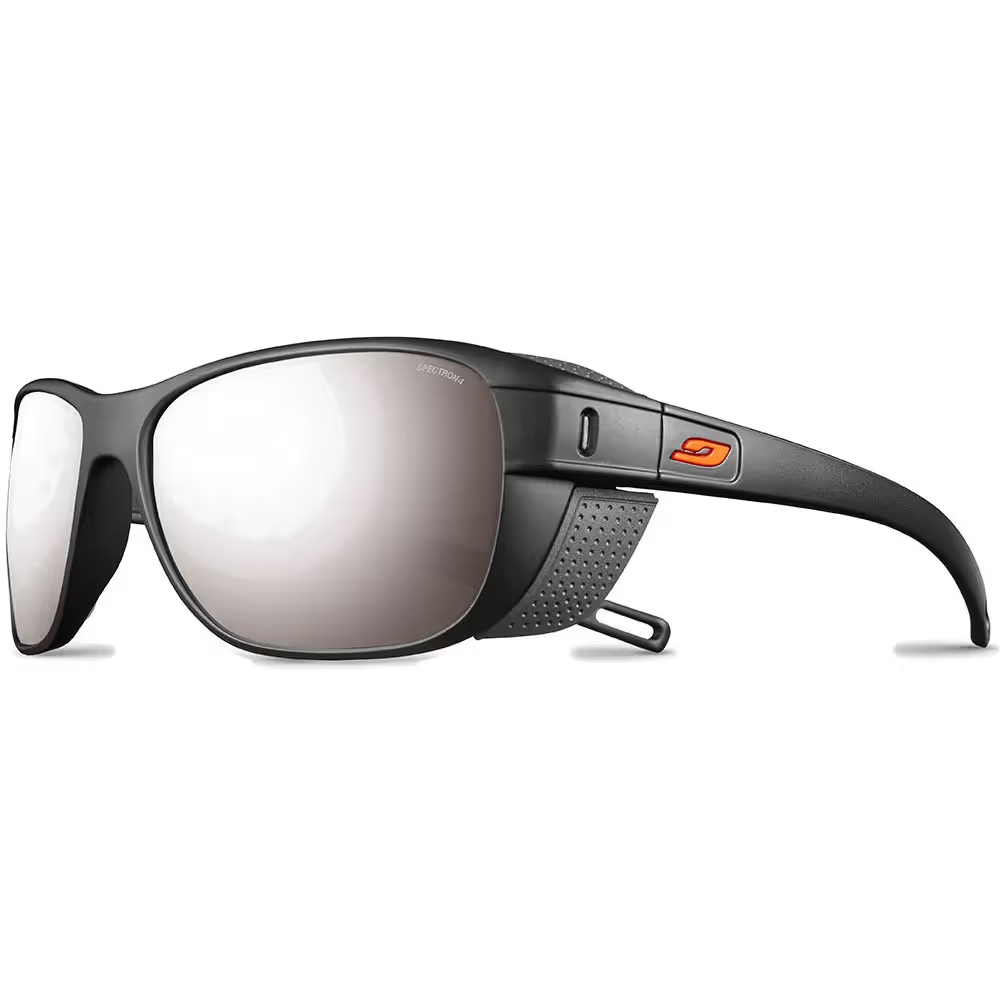
  • UV Protection is vital

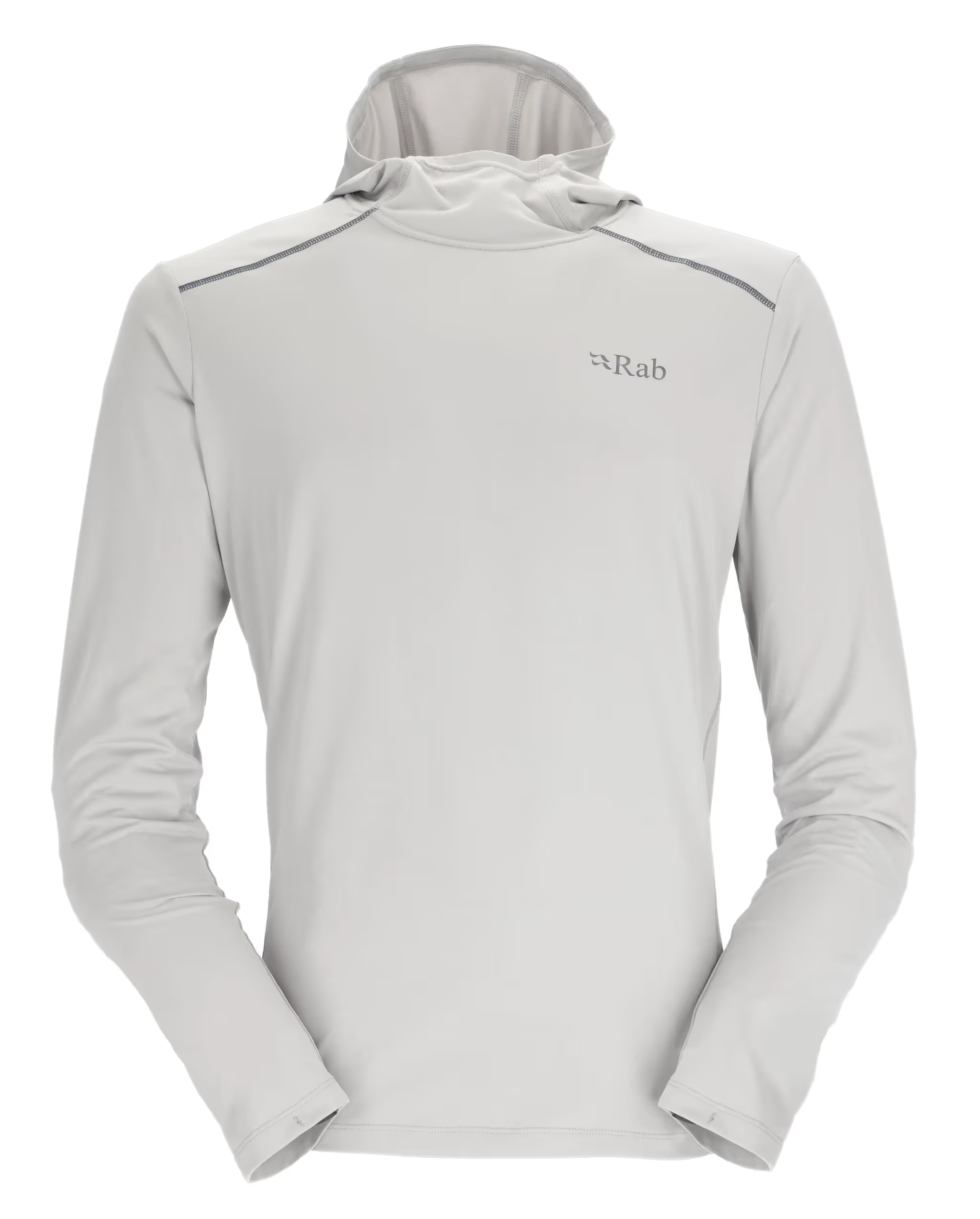
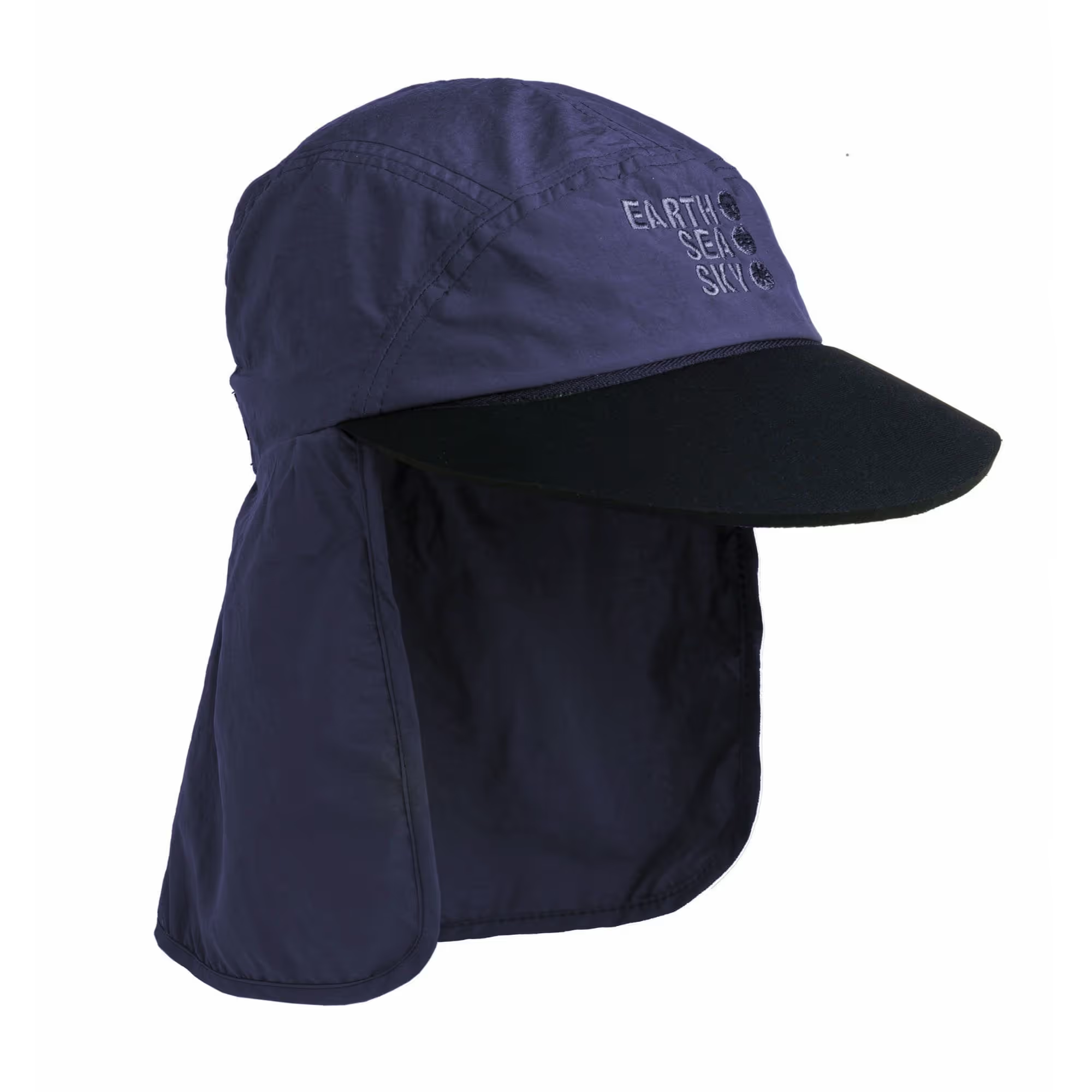
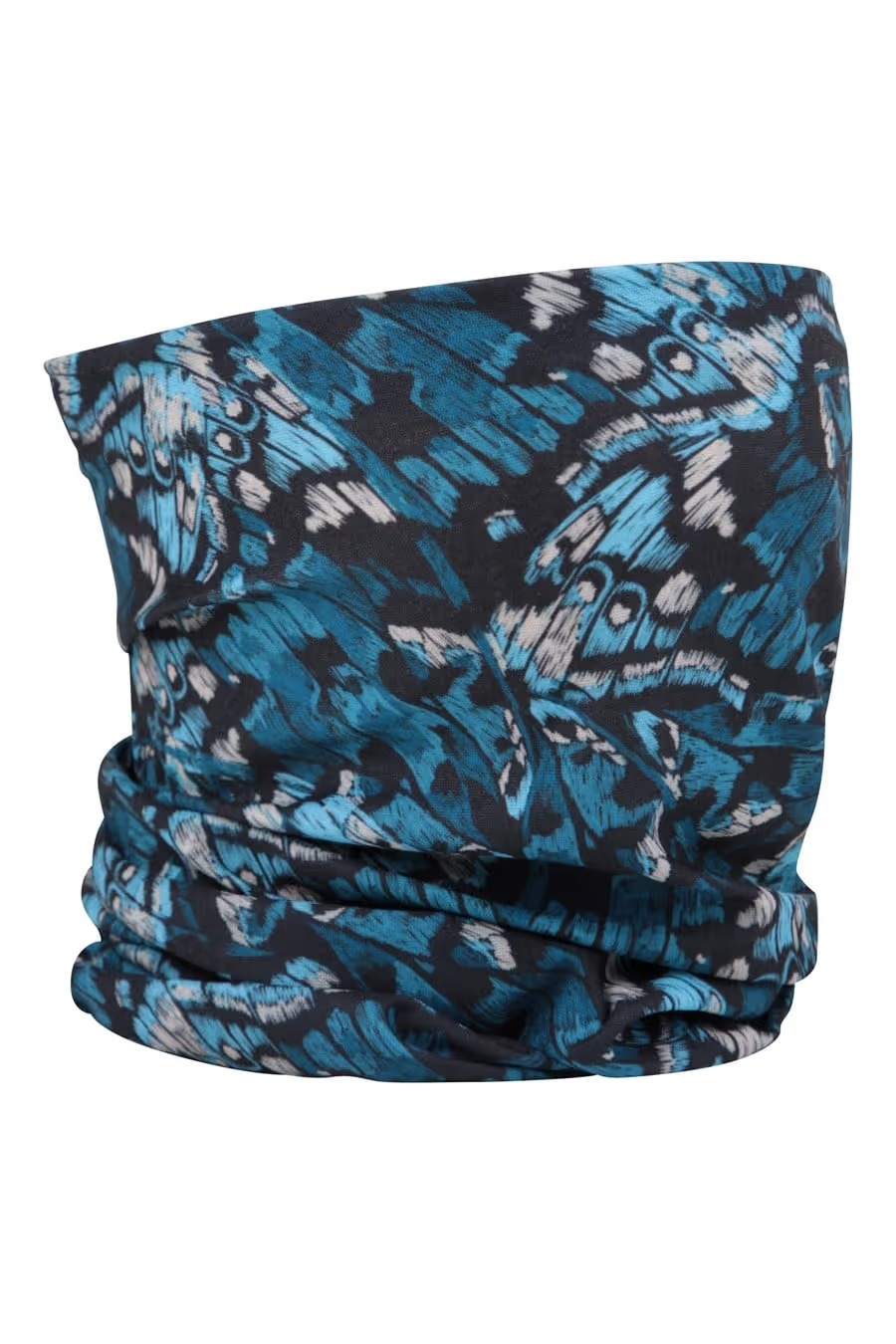
December through to February, bring "cooling" garments that will reflect UV. For example; “glacier shirts” (light colours/quick drying), legionnaire hats, scarves, and neck gaiters (e.g. "Buff").


[
2
]
Footwear

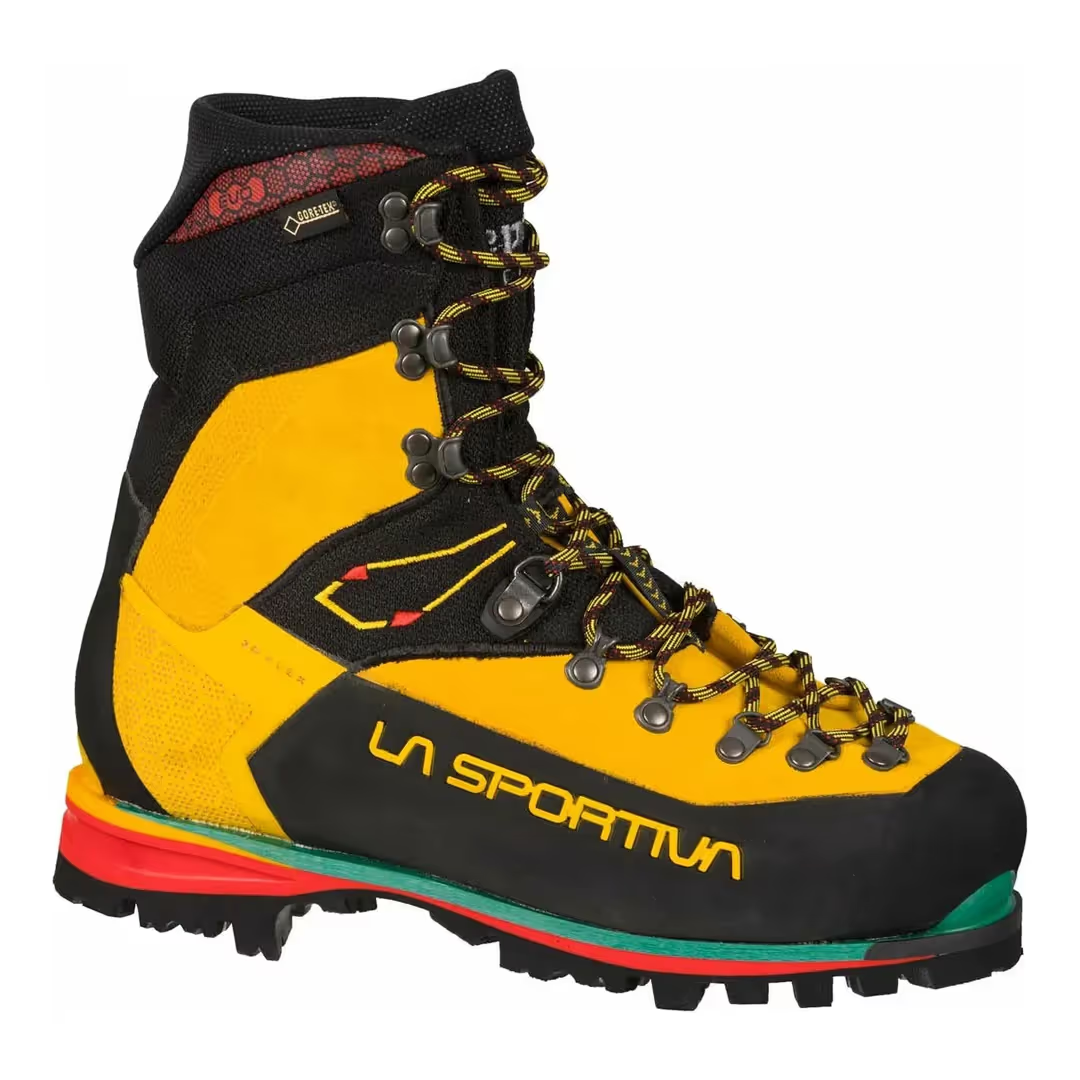
Boots are your most important piece of gear — a bad fit can ruin your trip. You only need one pair of mountaineering boots. If bringing your own, make sure they fit well, belong to you, and are properly broken in. New boots should be worn on a few solid walks before joining us.

Mountaineering boots are a big investment, so buy from a reputable store with expert advice. If you’re unsure, renting ours is much cheaper, and is a great way to learn what works best for you.

[
3
]
Climbing Gear

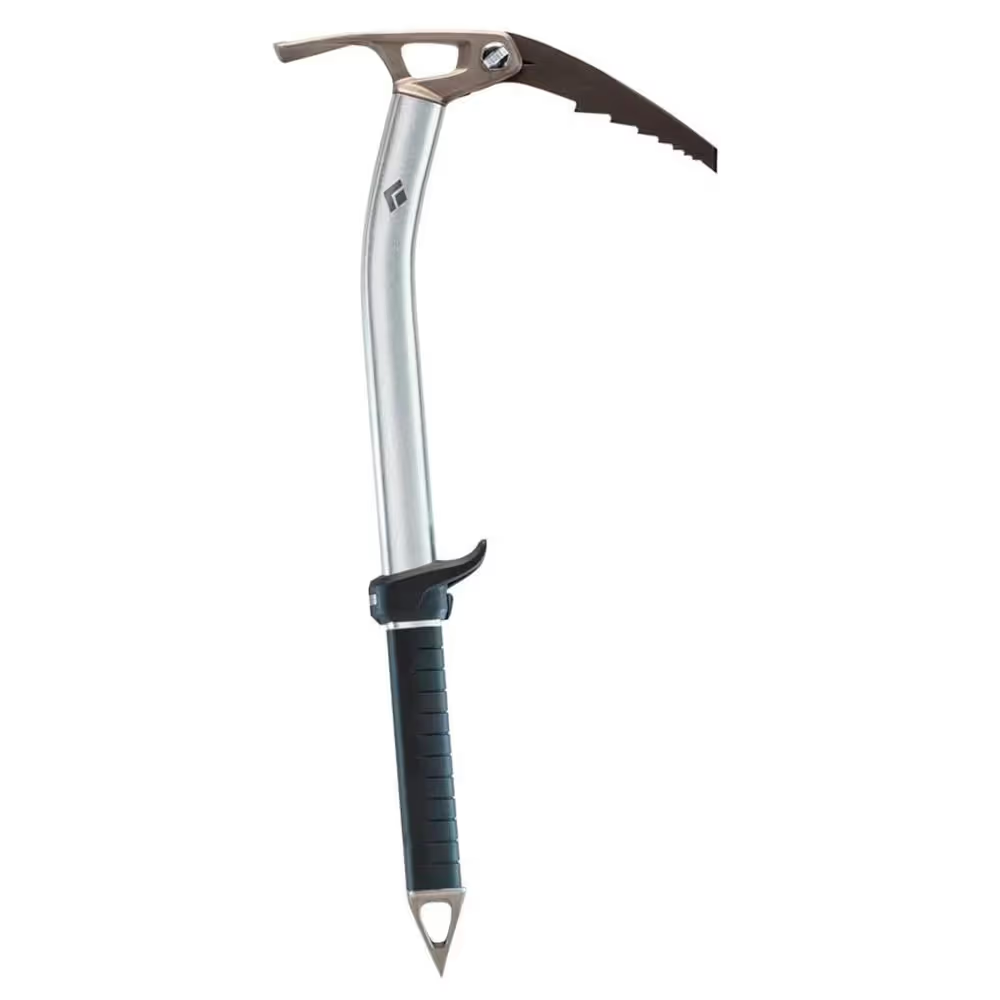
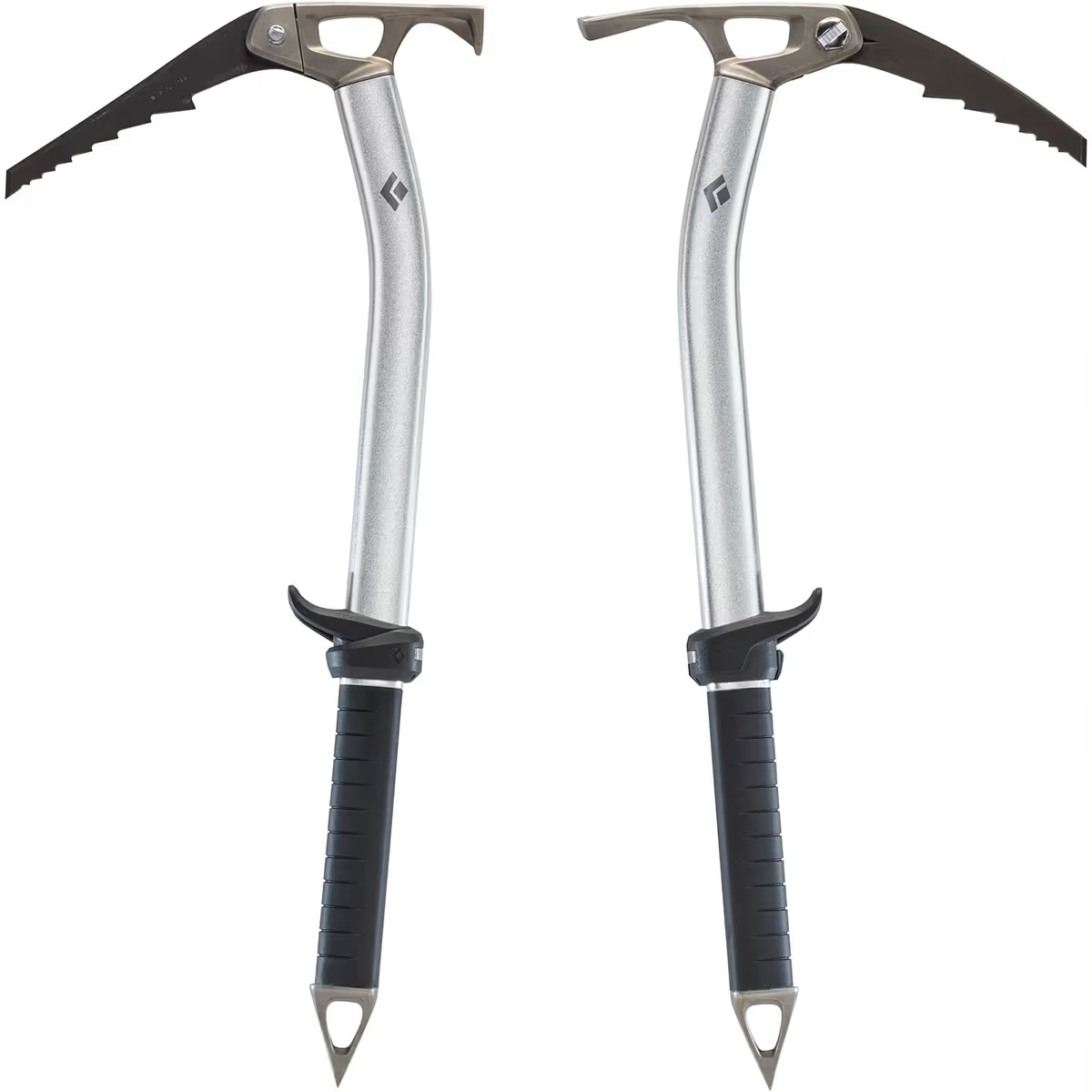
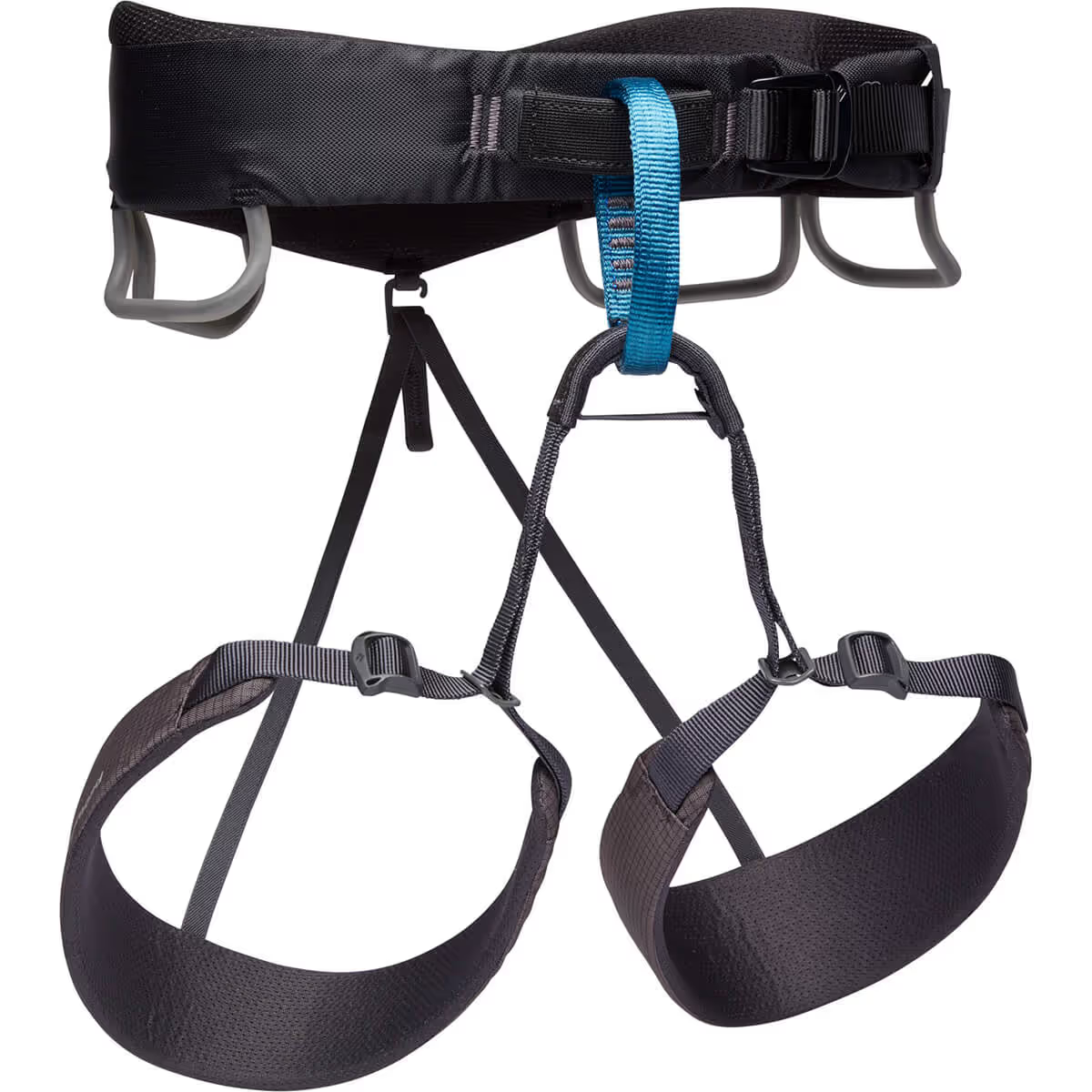
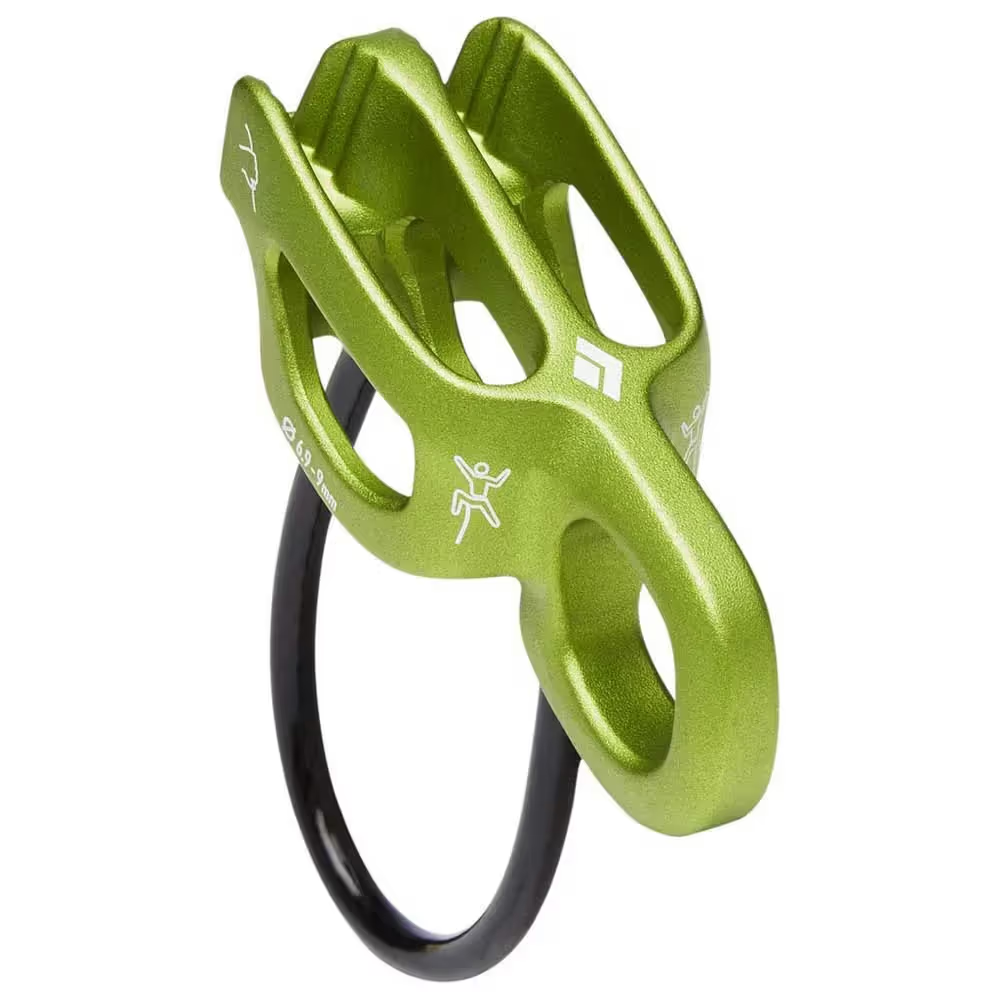
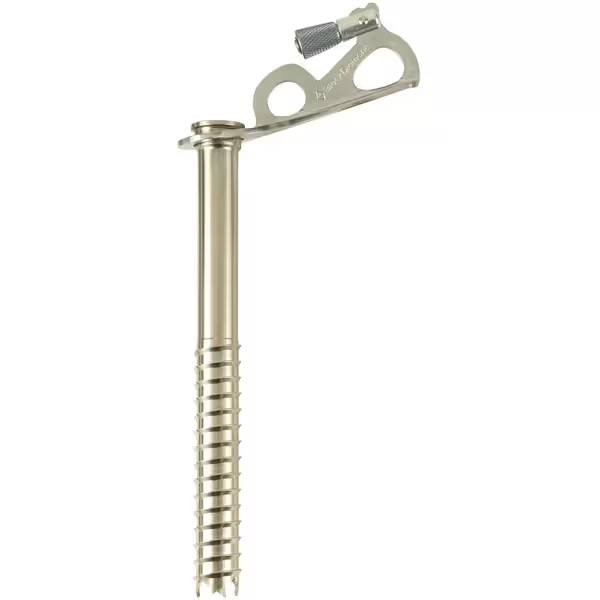
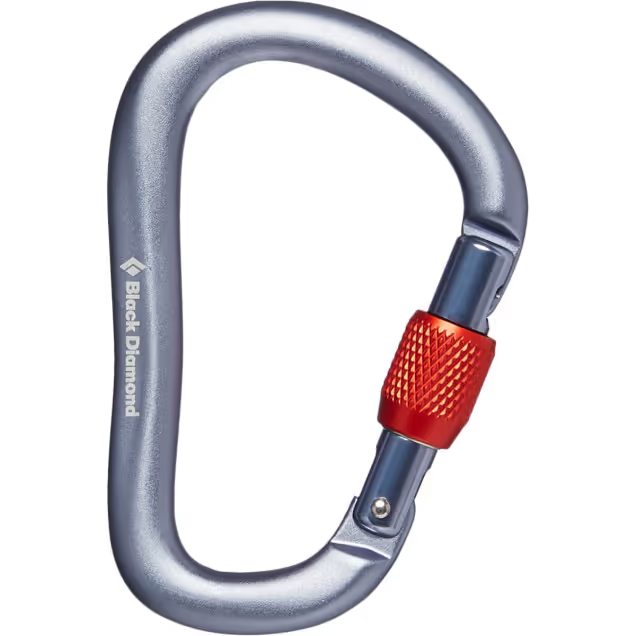
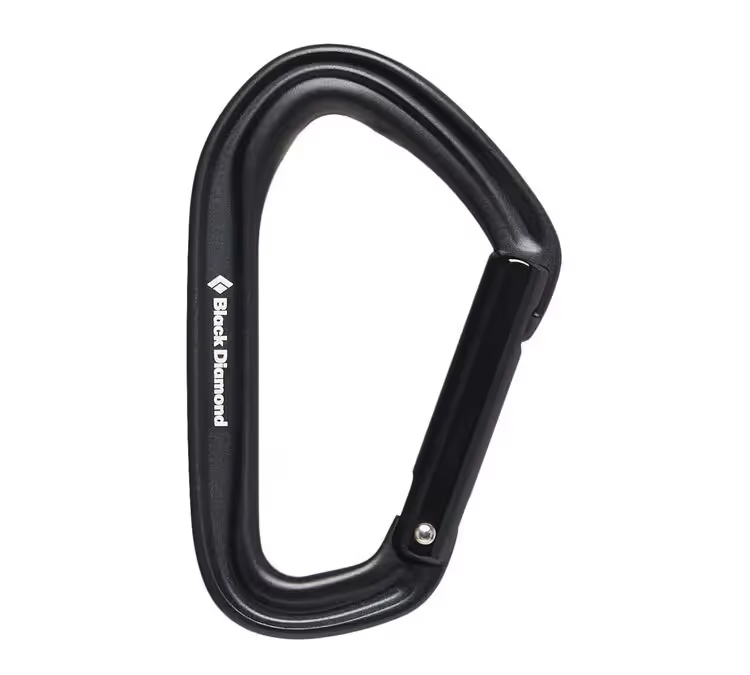
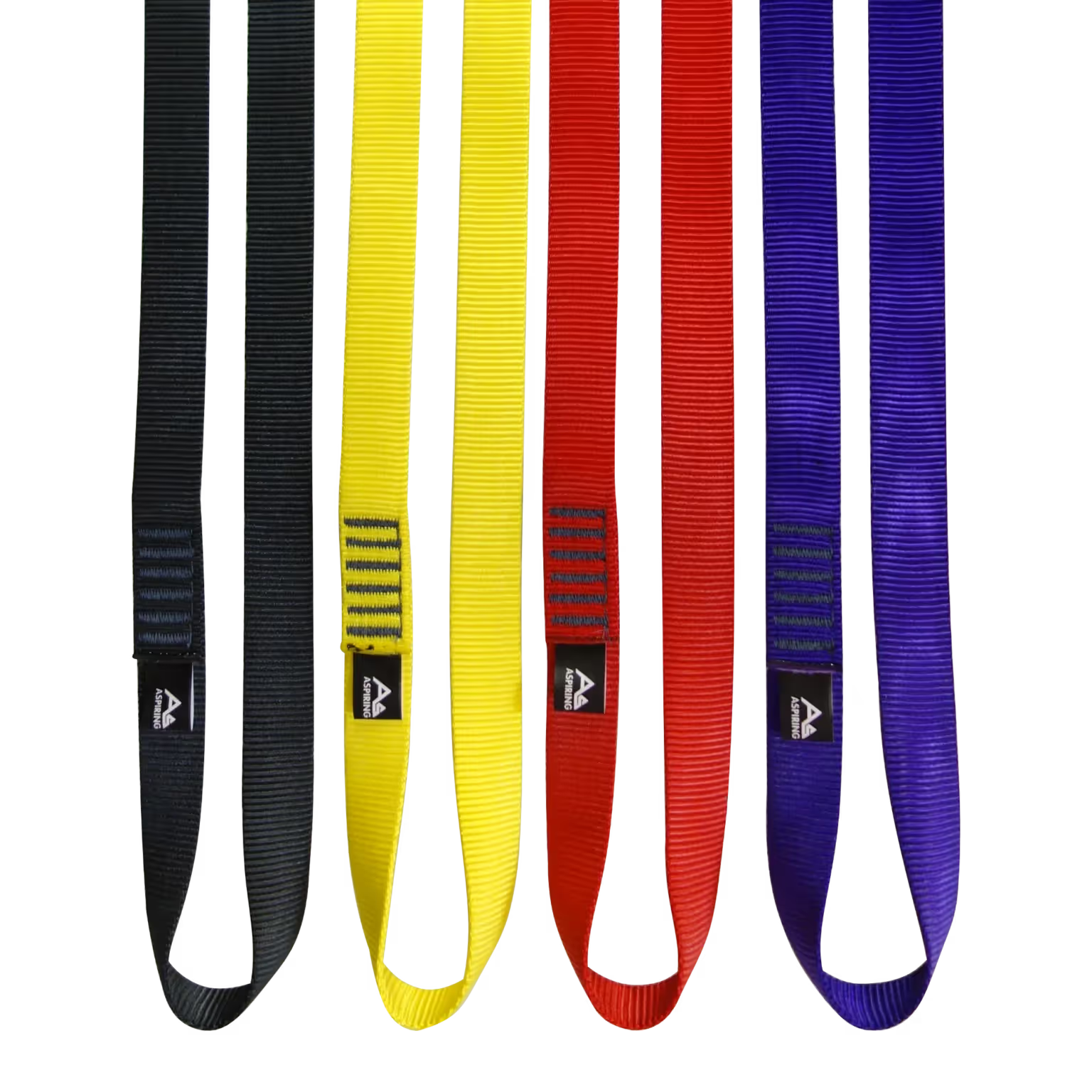
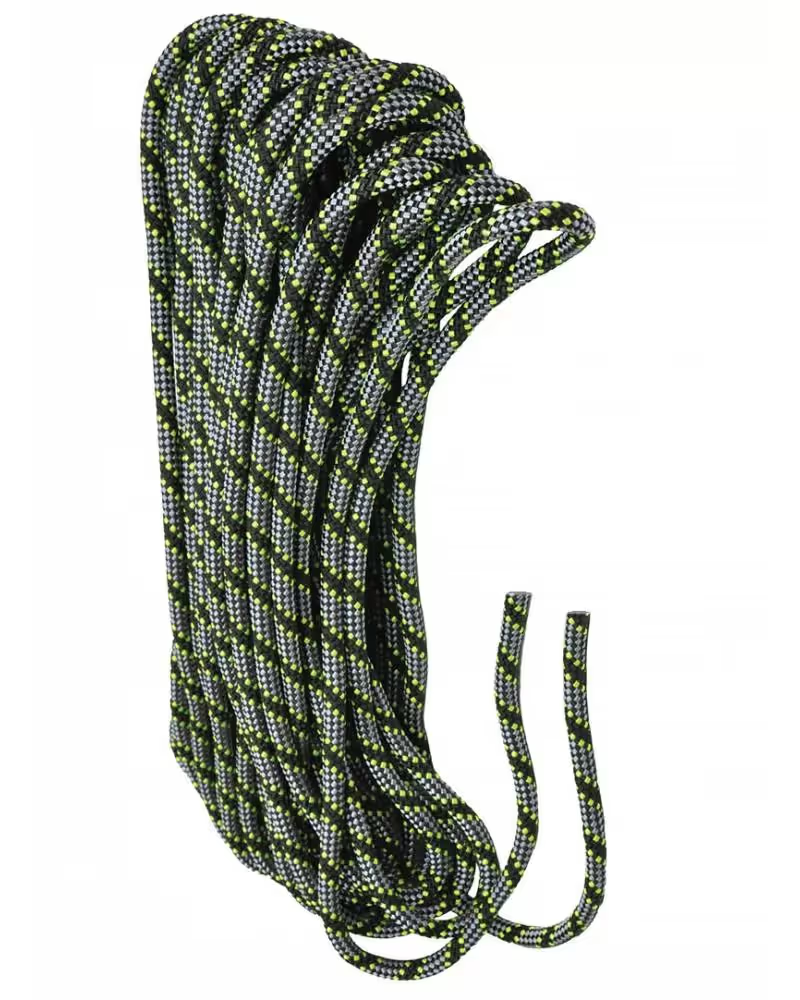
Check the equipment list for the trip you are coming on. This will tell you how many items you may need on your trip (e.g. 2 x ice screws). Below are some pointers for bringing your own equipment.
[
4
]
Accessories

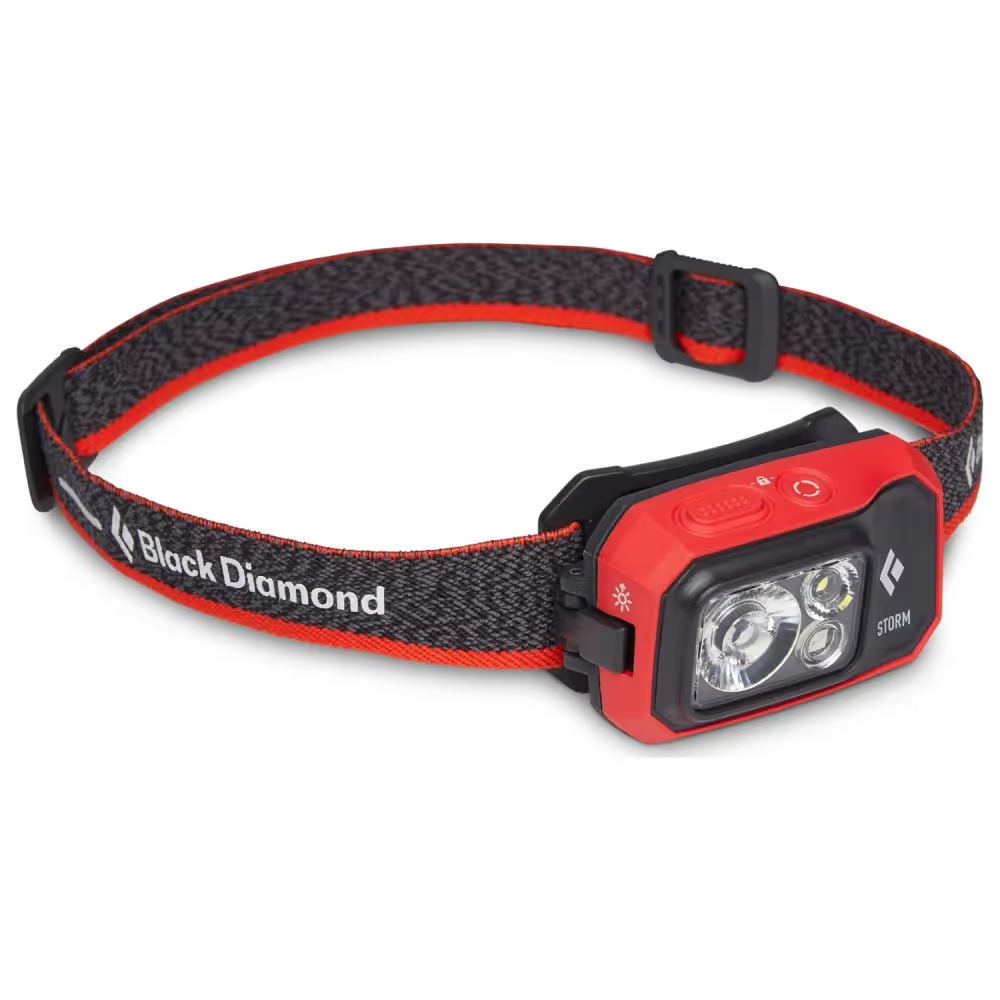
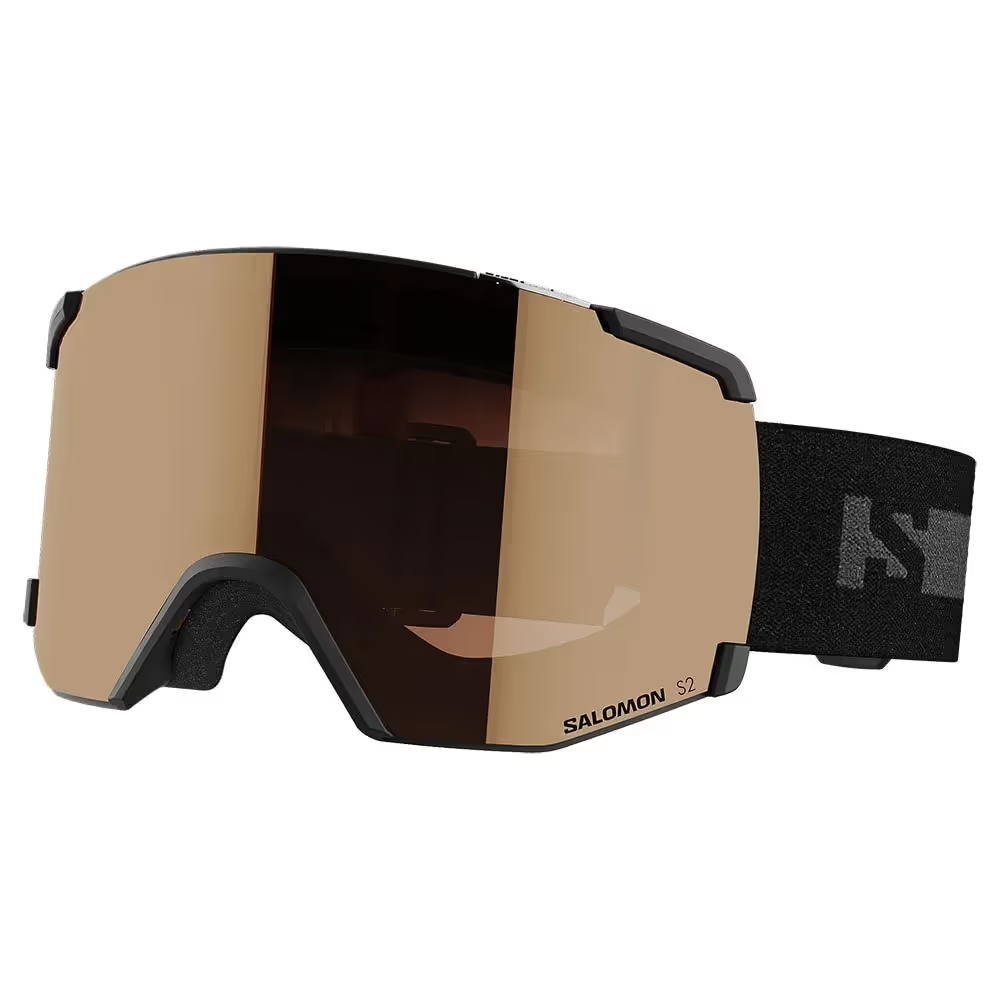
All the additional equipment you will need on your trip, which are easily to left behind.

[
5
]
Snow Safety

Mountain gear 101

Mountain Essentials Explained
Episode 1 - Boots
Episode 2 - Backpacks
Episode 3 - Clothing
Concession holder with Department of Conservation, authorised to operate in New Zealand’s alpine conservation areas.Kea Conservation Trust logo representing Alpine Guides’ support for Kea Conservation Trust and the protection of native alpine wildlife.Partner logo of International Federation of Mountain Guides Associations representing Alpine Guides’ alignment with international guiding standards and best practice.Partner logo of New Zealand Mountain Guides Association representing Alpine Guides’ commitment to professional guiding standards and safety.Partner logo of New Zealand Mountain Safety Council representing Alpine Guides’ commitment to mountain safety and education.Qualmark Gold Award logo recognising Alpine Guides’ commitment to exceptional quality and sustainable tourism practices.Qualworx - Safety Audit CertifiedTiaki logo representing Alpine Guides’ support for the Tiaki Promise.Alpine Guides support Trap NZ